
As we grapple with ourselves in an explosive time for social justice, I would recommend taking a look back at this country’s past with bigotry and discrimination through the lens of disability.
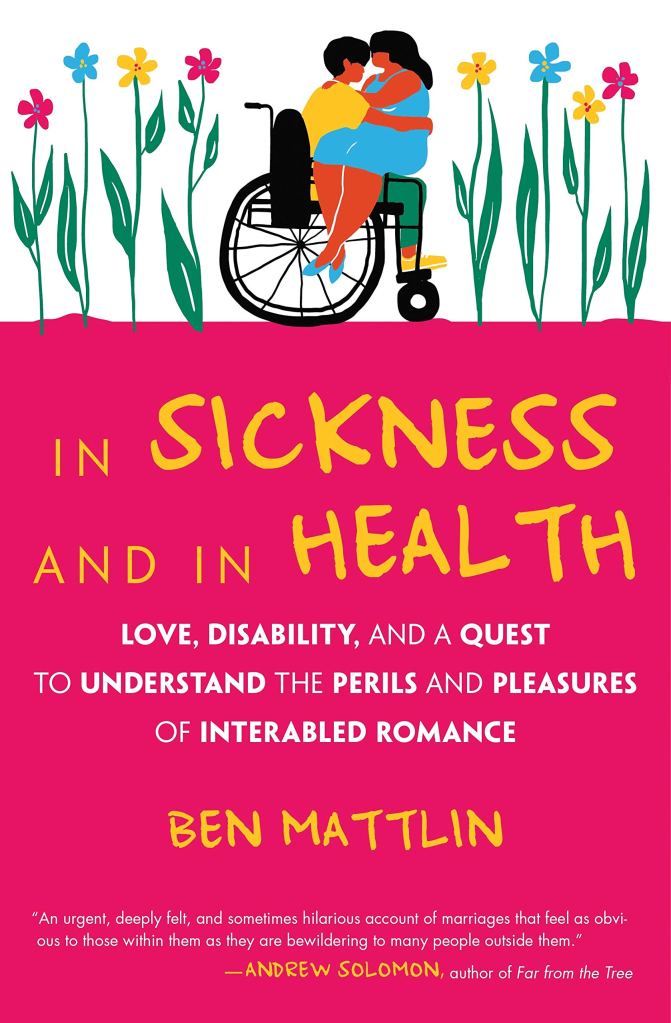
For this exercise, I’d recommend two books: A Disability History of the United States by Kim E. Nielsen and In Sickness and in Health by Ben Mattlin.
A Disability History of the United States walks the reader through the historical definition of disability and how the implication of that designation was used to exclude blacks, women and immigrant Americans from institutions in this country.
In the book there are historical examples of the disabled designation being used to exclude groups. For example, women weren’t permitted to go to school because they weren’t considered able to “handle” coursework. When slavery was abolished, groups of black people were declared mentally unfit because they couldn’t “handle” freedoms. During eugenics, immigrants were labeled disabled and therefore denied entry at Ellis Island for the most superficial reasons.
This idea is important to contemporary issues we face today because by the facing the prejudices rooted in the country’s past and building, it’s understandable to recognize that exclusion was not erased when laws were made to end such practice.
The point is driven home by In Sickness and in Health where the author explores the relationships of inter-abled couples and how we face real bigotry in our everyday lives from family and from strangers. The expression of bigotry exemplified in this book isn’t constrained to disability and able-bodied readers are confronted with their biases in an uncomfortable yet personal way that can serve to teach a lesson about unintended prejudice.
The lesson is that intention and impact are two separate things to consider when we think about how what we say and do. You may not intend to insult a stranger in a wheelchair when you walk up to them and ask to pray for them, but the impact doing so may have on that person may be burdensome. This same lesson applies to what we say and do in inter-racial relations.
 PineappleBuzz 🍍